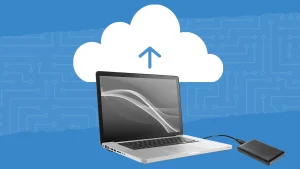
I’ve had my fair share of computer scares. Files disappearing, unexpected crashes, and corrupted documents—I’ve seen it all. At first, I thought it could never happen to me. But one day, my laptop froze mid-project, and I realized just how vulnerable my digital work was. Panic set in, but thankfully, the backup system I had built over time saved me.
In this article, I’ll share the backup tips that prevented disaster for me, step by step. These tips aren’t theoretical—they’re based on real experience, showing how to protect your work, prevent data loss, and recover quickly from unexpected crashes.
Why Backups Are Essential for Everyone
I used to underestimate the importance of backups. I thought careful handling and antivirus protection were enough. That mindset changed quickly. Backups are essential because:
- Crashes happen unexpectedly – Hardware failures, software errors, and even system updates can corrupt your work.
- Human error is common – We all accidentally delete files or overwrite important documents.
- Malware and ransomware are real threats – They can lock or destroy files instantly.
- Peace of mind is invaluable – Knowing your work is safe allows you to focus without constant worry.
After my first near-disaster, I realized backups aren’t optional—they’re a necessity.
Understanding the Risks of Losing Your Work
It’s easy to take files for granted, but there are multiple ways work can vanish:
- Hardware failure – Hard drives and SSDs can fail without warning.
- System crashes or software bugs – Updates or unexpected glitches can corrupt files.
- Accidental deletion – Even experienced users can make mistakes.
- Malware attacks – Viruses and ransomware can encrypt or destroy files.
- Physical damage or theft – Laptops can be lost, stolen, or damaged by accidents.
Knowing these risks makes it easier to understand why proactive backup strategies are critical.
Tip 1: Use Multiple Backup Methods
The first lesson I learned is never to rely on a single backup. I use a combination of:
a. External Drives
External drives are reliable for offline storage:
- Connect via USB or USB-C
- Copy important files regularly
- Use software like Windows File History or Time Machine (Mac) for automated backups
External drives are immune to online threats and fast for large files like videos and design projects.
b. Cloud Backup
Cloud services like Google Drive, OneDrive, or Dropbox store files on secure servers:
- Access files from anywhere
- Enable automatic syncing for real-time backup
- Protect against physical disasters like fire or theft
c. Network-Attached Storage (NAS)
For those with multiple devices at home or office:
- Centralized storage for all devices
- Automatic backups across the network
- Redundancy ensures files remain safe even if one drive fails
Using multiple methods creates redundancy, which is crucial when facing unexpected crashes.
Tip 2: Automate Your Backups
I learned early that manual backups are unreliable—they always get delayed. Automating the process ensures your files are consistently saved:
- Windows: Use File History or backup software to schedule hourly or daily backups.
- Mac: Time Machine automatically backs up everything to an external drive or NAS.
- Cloud Services: Enable automatic syncing to ensure the latest versions are always safe.
Automation reduces stress and guarantees that even the latest files are protected.
Tip 3: Organize Files for Efficient Backup
Backups work best when files are well-organized:
- Create clearly labeled folders for work, personal projects, and media.
- Prioritize critical files for more frequent backups.
- Avoid cluttering the backup system with unnecessary files.
When my laptop crashed, organized folders allowed me to restore exactly what I needed in minutes, rather than sifting through hundreds of files.
Tip 4: Schedule Regular Testing
Backups are only valuable if they work. I make it a habit to test my backups regularly:
- Restore a few files to another device
- Check that files open correctly and are up-to-date
- Ensure the backup device or cloud service is functioning properly
Testing ensures that when a crash happens, recovery is smooth and reliable.
Tip 5: Protect Sensitive Data
Some of my work includes sensitive financial documents and private projects. Protecting these files is essential:
- Encrypt backups – Most external drives and cloud services offer encryption options.
- Use strong passwords – Protect cloud accounts with strong passwords and two-factor authentication.
- Separate sensitive files – Store highly sensitive documents in a secure, separate location from general backups.
Security should be a part of any backup strategy, not an afterthought.
Tip 6: Keep Multiple Versions of Files
Crashes or accidental edits can sometimes corrupt or overwrite files. I use versioning to protect against this:
- Cloud services like OneDrive and Dropbox offer version history
- Time Machine keeps hourly, daily, and monthly versions
- Regularly review old versions to ensure critical changes are not lost
This tip saved me when I accidentally deleted an entire folder, as I could restore an earlier version with minimal hassle.
Tip 7: Monitor Storage Capacity
A backup is useless if your drive or cloud storage runs out of space. I monitor storage regularly:
- Check external drive usage monthly
- Upgrade cloud plans if necessary
- Remove obsolete files from backups to free up space
Running out of space is a common mistake many people overlook until it’s too late.
Tip 8: Combine Local and Remote Backups
Local backups (external drives) are fast and secure from online threats, while remote backups (cloud) protect against physical disasters. Combining the two gives me:
- Speed for restoring large files locally
- Safety in case of theft, fire, or hardware damage
- Accessibility from any device
This dual approach has saved me multiple times when my laptop crashed or my external drive failed temporarily.
Mistakes I Learned to Avoid
Through experience, I realized the following pitfalls:
- Relying on a single backup – Redundancy is crucial.
- Neglecting automation – Manual backups often get delayed or forgotten.
- Failing to test backups – Without testing, you might discover the backup is corrupt too late.
- Ignoring security – Encrypt sensitive files to avoid potential breaches.
- Forgetting cloud limitations – Ensure your cloud plan has enough storage.
Avoiding these mistakes makes your backup strategy reliable.
Practical Insights From My Experience
- Time saved is priceless – Automatic backups allow immediate recovery from crashes.
- Peace of mind matters – I no longer stress about hardware failures or accidental deletions.
- Organization pays off – A well-structured system makes file recovery faster and easier.
- Redundancy prevents disaster – Combining external drives and cloud backups is the safest approach.
For instance, a friend of mine lost several hours of work after a software crash because she relied solely on manual backups. Automating backups prevents this kind of problem entirely.
Recommended Backup Tools
- Windows File History – Built-in Windows solution, easy to schedule and manage.
- Time Machine (Mac) – Ideal for full system backups.
- OneDrive / Google Drive / Dropbox – Cloud storage with automatic syncing.
- Acronis True Image – Advanced option for full-system automated backups.
- WD My Passport / Seagate Backup Plus – Reliable external drives for offline storage.
Choosing the right tools makes backup management simple and beginner-friendly.
Conclusion
Crashes happen unexpectedly. My experience taught me that proactive backup strategies aren’t optional—they’re essential. By combining multiple backup methods, automating the process, testing regularly, and protecting sensitive data, you can ensure your work is safe and accessible even in the worst-case scenarios.
Implement these backup tips today. Your future self will thank you when a crash occurs and you can recover instantly instead of panicking.
FAQs
Q1: How often should I back up my work automatically?
A: For critical files, daily or hourly backups are ideal. Less important files can be backed up weekly.
Q2: Should I use an external drive, cloud, or both?
A: Both. Local drives are fast and secure from online threats, while cloud backups protect against physical damage and provide remote access.
Q3: Can automatic backups slow down my laptop?
A: Minimal impact. Most backup systems run in the background and pause during heavy usage.
Q4: How do I ensure my backups are working correctly?
A: Test by restoring a few files periodically to another device and check that files open correctly.
Q5: Is encryption necessary for backups?
A: Yes, especially for sensitive documents. Most external drives and cloud services support encryption options.